

Bonnie Davis is Blue Crab Knits, a technical editing service for knitting and crochet patterns. She edits accessories, household items, and children’s and baby wear. She has 60+ years of experience in yarn crafts and 5 years of experience in tech editing. Her previous careers include 15 years as an X-Ray/Nuclear Medicine Technologist and 15+ years in mortgage banking services as a customer service representative. Bonnie is a published writer for both online and in print children’s and adult magazines with credits in fiction, articles about writing, and children’s non-fiction.

Cherie is a crochet designer and editor who cares deeply about helping to create great crochet patterns that amplify the designer's voice and confidence. She empowers designers by educating them through the design process, not just telling them what is wrong in their patterns, but guiding them like a mama bird would her chick.
Work with Cherie: https://sweetbirdcrochet.com/
Follow Cherie on IG: www.instagram.com/sweetbirdcrochet/
Let’s get into the interview!
Annie is the force behind www.knitabl.com. She provides grading, editing, schematics, and pattern support for knitwear design.
She actually enjoys working in the spreadsheet mines doing the mathy bits! Prior to editing, Annie worked in biotech, knit and modified over 50 sweaters, and wrangled her then-small children.
Follow Annie on IG: www.instagram.com/knitabl
Let’s get into the interview!

Whitney Steen is a tech editor and graphic designer living in Chicago. After realizing she had 20 years of work experience editing and designing publication layouts in the nonprofit and academic space, and over 25 years of unpaid knitting experience, she decided to combine both of those things into a small business. She is also leading a one-woman effort to bring back crafting blogs through The Blog of Making Stuff on her website, wlsmakesstuff.com. Let’s get into the interview!

Alison Lee is a registered nurse, knitting technical editor, pattern grader, and sample knitter.
She loves to support designers in all aspects of their publication process, especially by completing the jobs that they don’t have time to do, so they can create the patterns for makers to enjoy.

Laura Cameron has been a knitting technical editor since 2016, working with a variety of designers, magazines, yarn companies and honed her marketing skills at Stitchcraft marketing. She's now a project manager for fabric retailer Missouri Star Quilt Company, and she hosts a weekly podcast and blog about her crafty pursuits. Let’s get into the interview!
Bronwyn Hahn is a knitting and crochet technical editor. In this interview, she shares with us her hopes, her best advice, and how she organizes her workspace.

As you are growing your tech-editing business, it's smart to think about how you will handle the work you will need to do from the first inquiry to final invoicing. If you do your best at tech editing, you will soon have many clients. If your clients are happy with your work, you might get lots of work from them and they might refer you to other designers. Having a system in place and knowing what to do at each step of the tech-editing process will help relieve stress and allow you to focus on doing the best job you can do.

Magazine work, in general, is a bulk of patterns given to you at once. There's a lot of editing to do and you are making all the corrections. When you work with a designer, in general, you're just pointing out errors to the designer. The designer is making the corrections and sending a corrected proof back to you for you to then recheck and approve.

What is the true job and responsibility of the technical editor of patterns? I thought our job was to make sure the pattern was correct as written, that what was printed on the page worked out mathematically and was easy to follow, and it is that—but is that all? Are they the numbers the designer wants, just because the math works out? Is it our job to know what the designer wants, to question what is in front of us?

How do I grade for larger sizes?
How do I make sizes for bodies that don't look like mine?
Don't be intimidated! It's not as hard as it seems. Grading for larger sizes is the same as grading for any size in the range of sizes you want to use in your pattern. The principles and grading steps are exactly the same. This article walks you through some tips to get you started on the mindset to size up your patterns.

What do you do if you feel like you don’t have enough information or confidence to grade patterns for yarn well? This article walks you through some steps that you can apply now to increase your success in grading patterns for knitting and crochet.
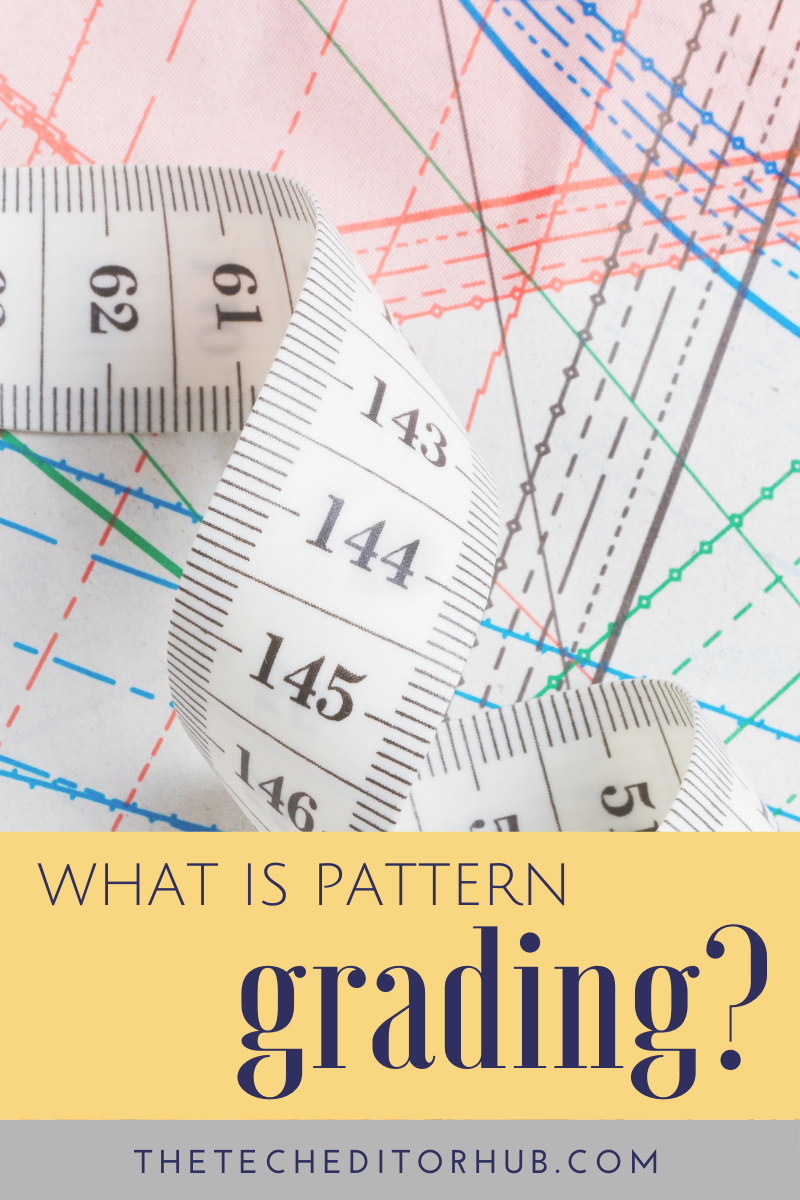
What is pattern grading? The Tech Editor Hub explains the process and how it is different in sewing and knitting and crochet patterns and how to know if a pattern has been graded well.

The truth is, you can become a tech editor no matter what your current work/life situation is and no matter what your background is.
Megan is a UK-based crochet and knitting technical editor and designer. She an eternal lover of all things crafty, loves creating wonderful things with yarn, and is passionate about the process, especially when it involves learning new ways of working with yarn. She's always had a great eye for detail and her love for knitting and crochet has led to her career in technical editing and designing. Work with Megan: https://calmhousecrafting.com/ Follow Megan on IG: https://www.instagram.com/calmhousecrafting/